Choosing the right dual cab slide on camper comes down to how you travel, who joins the trip, and what you expect once you reach camp. A compact setup works well for quick escapes, while a larger model offers more comfort for longer stays. Before you buy, compare size, weight, storage, and daily living space. A few small differences can change your camping experience more than you might expect.
Why Size Matters More Than You Think
Many buyers focus on features first. That’s understandable. Solar panels, kitchens, water tanks, and sleeping areas all sound exciting. Yet the overall size of the camper often has a bigger impact on everyday use.
A smaller camper feels lighter on the road. Parking is easier. Tight bush tracks become less stressful. You’ll spend less time worrying about overhanging branches or narrow access roads.
A larger camper creates a different experience. There is more room to move, better storage, and extra space when bad weather keeps everyone inside. If you’ve ever spent two rainy days camping, you’ll know that a little extra room makes a huge difference.
The choice depends on your travel style rather than which option looks better on paper.
Understanding the Dual Cab Slide-On Camper
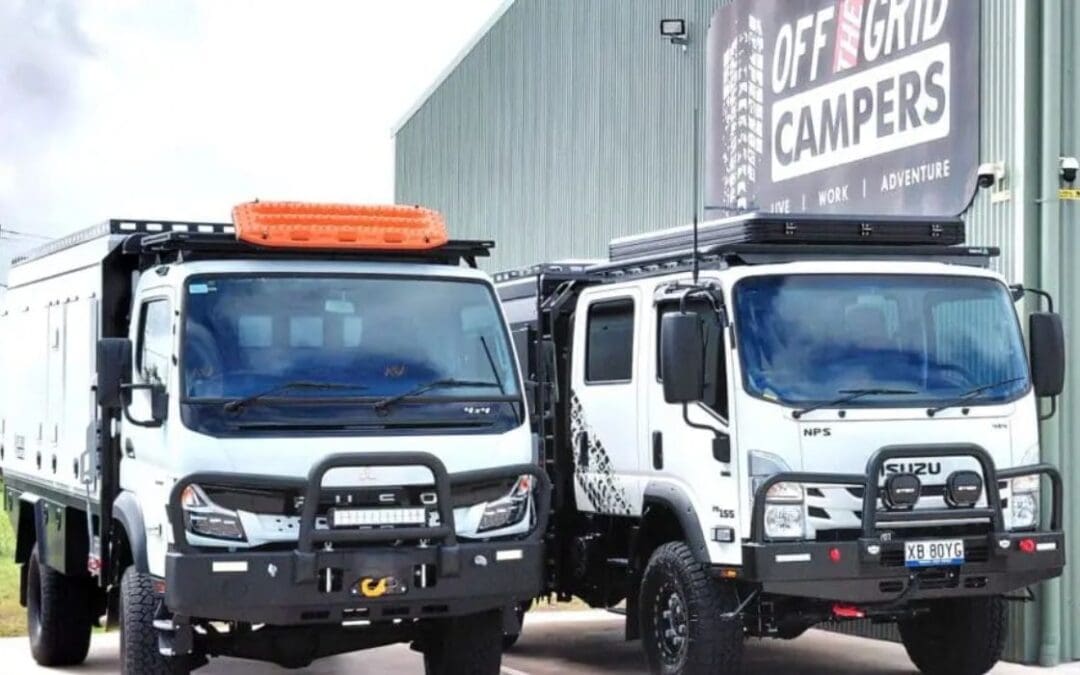
A slide on camper dual cab sit securely on the tray of a dual cab ute instead of being towed behind the vehicle. That creates a compact package without adding another set of wheels.
Many Australian travelers prefer this setup because it keeps the vehicle agile while offering proper camping facilities. You can still explore rough tracks that would challenge many caravans.
For weekend adventures, this style often feels more practical than towing a trailer across long gravel roads or soft beach access tracks.
What Makes the Dual Cab XL Different?
The Dual Cab XL follows the same concept but provides additional living space through a larger body design.
That extra room usually translates into:
- More internal storage for clothing, food, and camping equipment
- Larger sleeping areas and extra bench space for cooking
The added size doesn’t automatically make it the better option. Every extra kilogram affects payload, fuel use, and vehicle handling. That’s why checking your ute’s carrying capacity should always come before comparing floor plans.
Which One Fits Your Camping Style?
Think about your last camping trip.
Did you spend most of your time outside? Were you moving every day? Did you only need a place to sleep before heading off again?
If that’s your routine, a standard camper often makes more sense.
Now picture a two-week journey through Western Australia or Cape York. You may stay in one campsite for several nights. You might carry fishing gear, recovery equipment, extra food, and water.
A larger camper begins to look far more attractive in that situation.
Many experienced travelers say they appreciate extra space more after several days on the road than they did during the purchase process.
Storage Changes Everything
Storage doesn’t sound exciting until you’ve lived without enough of it.
Every camping trip comes with more gear than expected. Recovery tracks. Camp chairs. Cooking equipment. Bedding. Spare clothes. Food supplies. Camera gear. Kids’ toys.
The standard model handles weekend packing well.
The XL gives you more freedom to organise everything without constantly moving bags to reach what you need.
Less clutter creates a calmer campsite. It also saves time every morning.
Think About Weight Before Features
Every dual cab Ute has limits.
A camper may fit physically while exceeding the legal payload once passengers, water, fuel, food, and accessories are added.
Before looking at finishes or layouts, confirm your vehicle’s Gross Vehicle Mass, rear axle capacity, and available payload.
That simple step prevents expensive surprises after purchase.
If you’re browsing a dual cab slide on camper for sale, always compare the fully loaded weight rather than the advertised dry weight.
Comfort During Longer Trips
A weekend away is forgiving.
You won’t notice every design detail during two nights beside a river.
Spend three weeks crossing regional Australia and small differences become obvious.
Extra bench space makes cooking easier.
Additional storage keeps the cabin tidy.
More room around the bed means getting dressed doesn’t become an awkward morning routine.
The XL feels closer to a tiny apartment than a simple camping shelter.
That matters when you’re living inside it every day.
Off Road Performance
Many people assume the smallest camper always performs better off road.
That’s only partly true.
Vehicle setup matters just as much. Suspension, tyre choice, weight distribution, and responsible driving all influence performance.
A properly matched XL can comfortably handle Australian tracks when paired with the right ute and sensible loading.
The goal isn’t choosing the smallest camper.
It’s choosing the camper that matches your vehicle.
Budget and Long-Term Value
Price always enters the conversation.
The standard camper usually costs less upfront. Insurance, fuel use, and maintenance may also stay lower over time.
The XL asks for a larger investment.
That extra cost often pays off if you regularly take long holidays or travel with family. Comfort becomes part of the value rather than an optional luxury.
Buy for the trips you’ll take, not the trips you imagine once a year.
Choosing Between the Two
There isn’t one correct answer.
Ask yourself a few honest questions before planning.
- How many nights do you normally spend away each year?
- Will one or two people travel most of the time?
- Does your ute have enough payload for a larger camper?
- Do you prefer moving camp every day or staying in one place?
- How much equipment do you normally carry?
Those answers usually point toward the right size without much debate.
If you’re comparing a slide on camper dual cab with an XL version, picture your next real holiday rather than the showroom display. That’s where the differences become clear.
Pick the Camper That Matches Your Adventures
The best dual cab slide on camper isn’t always the biggest one. It’s the one that fits your vehicle, your travel habits, and the way you camp. Weekend explorers often enjoy the simplicity of a standard model, while frequent travellers usually appreciate the extra room offered by the XL. Visit Off The Grid Campers to compare layouts in person, ask questions, and find the setup that feels right before your next adventure.