
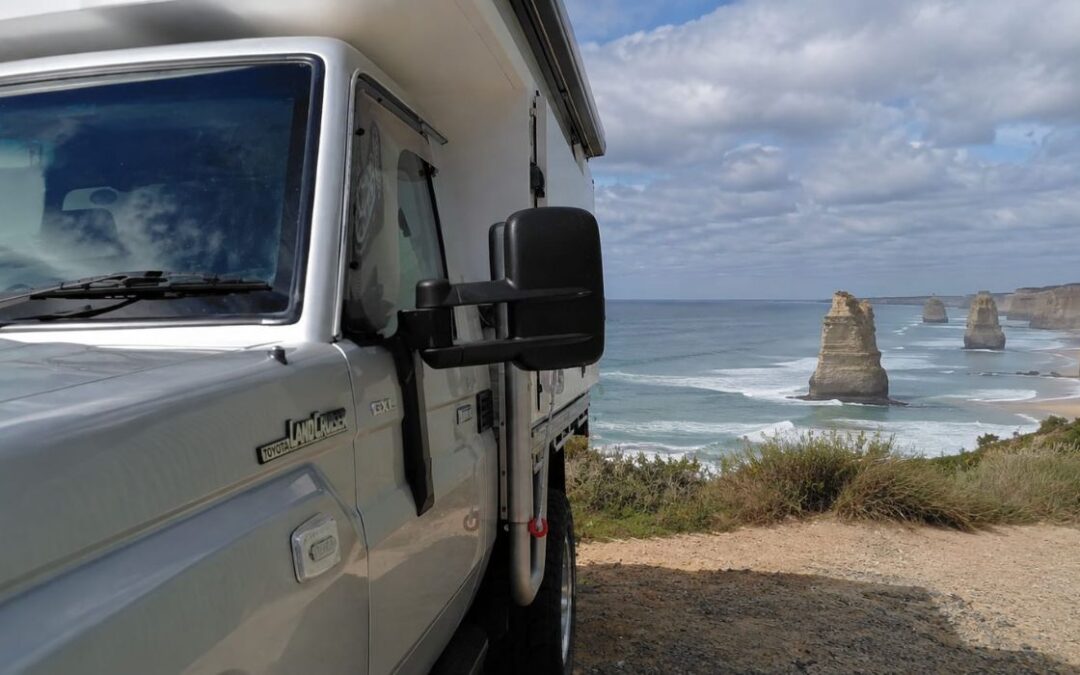
A single cab Ute slide on camper provides a practical platform for carrying heavy loads, navigating rough terrain, and reaching remote campsites. Adding a slide-on camper turns a standard tray into a fully self-contained touring rig with dedicated space for sleeping, cooking, washing, and power generation. Without the towing bulk or off-road restrictions of a caravan, you can keep your accommodation attached and access far more demanding tracks. This guide breaks down how to choose a setup that matches your vehicle’s payload limits, tray dimensions, and off-grid travel plans.
Why Start with a Single Cab Ute?
Single-cab Utes provide a long, unobstructed platform for mounting a slide-on camper. Because the cab is limited to two doors, the entire rear section of the vehicle remains available for carrying weight and cargo. Operating one vehicle with an integrated camper is often simpler than managing a tow vehicle and trailer combination off-road.
More Tray, More Possibilities
The rear tray forms the foundation of the entire setup. Rather than using the space strictly for loose gear, tools, or traditional camping equipment, it can support a fully equipped living module.
A single cab Ute slide on camper setup brings shelter, water storage, battery power, cooking facilities, and ensuite amenities into one cohesive unit. When you return home or need the vehicle for work, the camper can be unbolted and jacked off the tray.
Build Your Setup Around How You Travel
Selecting the right camper comes down to matching core systems to your usage, not adding optional extras. A setup built for short weekend trips requires different capacities than one used for weeks off grid.
Plan your destinations, your average time off grid, and your daily water and power use. Your needs for fresh water, battery capacity, solar input, and layout should directly reflect these factors. Choosing a Ute slide on camper single cab configuration ensures these core living systems fit your vehicle’s payload while keeping your footprint compact for remote tracks.
What Can You Take Off Grid?
Going beyond established campsites takes more than somewhere to sleep. A capable camper needs the power, water, cooking, storage and living facilities required for time away from mains services.
Power When You Need It
Off-grid power management requires balancing your daily energy consumption with reliable charging inputs. Running 12V refrigeration, lighting, induction cooktops, and air conditioning demands a properly sized electrical system. Combine a high-capacity lithium battery bank with high-output rooftop solar and a fast DC-DC alternator charger to maintain stable power while stationary or driving.
Water Changes the Equation
Onboard freshwater storage directly controls your off-grid endurance. Cooking, drinking, cleaning, and showering draw continuously on your supply, making adequate tank capacity essential for avoiding frequent town detours. Since water weighs one kilogram per litre, match your tank size to your realistic consumption rates without exceeding vehicle payload limits.
Before You Put a Camper on the Tray
A Ute and slide-on camper function as a single integrated unit. Confirming that the camper physically fits the tray is only the first step in the planning process.
Assess the vehicle’s Gross Vehicle Mass (GVM), Gross Combination Mass (GCM), individual axle limits, and usable payload capacity. You must account for the weight of the camper along with passengers, fuel, water, recovery equipment, and personal cargo.
Fit Matters Too
Tray length, width, tie-down locations, side clearance, and headboard height must match the camper’s lower dimensions. Check the precise specifications of your specific tray setup rather than relying on generic vehicle measurements.
Weight distribution across the rear axle and overall ground clearance also demand careful evaluation. The goal is to build a setup that handles predictably on unsealed tracks, corrugated roads, and highway stretches alike.
What Do You Actually Need for Off-Grid Camping?
Off-grid touring does not require unnecessary complexity. It requires reliable, functional equipment sized appropriately for your itinerary.
For extended trips, essential priorities include a high-density mattress, reliable refrigeration, functional cooktops, adequate freshwater storage, hot water heating, battery storage, and solar generation. Integrated heating and cooling systems also extend comfort when traveling through variable climates.
Internal and external storage design is equally critical. Food, clothing, recovery gear, and tools must remain accessible and organized without cluttering the main living area.
Leave the Trailer at Home and Go Anywhere
A Ute slide on camper merges your vehicle and accommodation into a single unit. Positioning the weight directly over the tray improves handling on corrugated roads, eliminates trailer sway, and makes tight bush turnarounds simple. Removing the hitch assembly reduces overall touring length and provides total access to steep, remote tracks.
A Single Cab Ute Slide on Camper is Built for More Than the Campsite
Off-grid travel in a truck camper in Australia demand a setup built for harsh environments. Heavy corrugations and unsealed roads test every component of your vehicle and tray. A truly capable rig comes down to subframe strength, heavy-duty suspension, and smart payload distribution rather than interior luxury.
Follow the Remote Route
Combining a single-cab Ute with a modern slide-on camper creates an adaptable vehicle for long-distance touring. It keeps overall vehicle dimensions manageable while providing modern living conveniences.
Success still relies on practical route planning, routine vehicle maintenance, and a working knowledge of your rig’s operating limits. Adequate preparation remains essential when travelling through remote regions.
Maximise Every Square Metre of Living Space
A compact camper requires an efficient interior layout. Every square metre must serve a clear operational purpose.
A comfortable bed requires adequate headroom and surrounding storage. Kitchen modules must remain functional without obstructing entry points or living space. Bathroom and toilet facilities need to offer privacy while occupying minimal floor area.
Thoughtful spatial design distinguishes a practical camper from an uncomfortable one. Zoning the interior for sleeping, food preparation, and relaxation creates a far more usable living environment.
External features play an important role as well. Outdoor awnings, drop-down tables, external kitchens, and accessible storage lockers help keep daily camp activities outside the main cabin.
The Camper Should Support Your Whole Trip
A well-planned setup simplifies your travel routine. It should perform reliably without requiring constant adjustment or complex setup procedures at the end of a driving day.
When evaluating slide on campers in Australia, look beyond basic cosmetic features. Prioritise structural weight, overall balance, electrical system capacity, usable water storage, and general build quality.
Consider daily operational details as well.
How quickly can the roof or legs be deployed?
How easy is it to access gear during quick roadside stops?
Can the Ute be driven safely once the camper is removed at base camp?
Turn Your Single Cab into the Ultimate Off-Grid Base Camp
A single-cab Ute paired with a slide-on camper gives you total independence on the road. Instead of planning trips around caravan parks or fixed accommodation, you can build itineraries based entirely on where you want to explore. When your vehicle, tray, and camper work together as one cohesive system, your single cab becomes a versatile touring rig built for any Australian adventure.
Off The Grid Campers manufactures slide-on campers designed specifically for Australian conditions and off-grid self-sufficiency. Contact the team to review vehicle compatibility, electrical specifications, and custom layout options for your Ute.
Frequently Asked Questions
Yes. Mounting a slide-on camper requires verifying that the camper’s dimensions, mounting hardware, overall weight, and centre of gravity match your vehicle’s payload capacity and tray specifications.
Slide-on campers are well-suited for off-grid travel when equipped with adequate battery storage, solar input, freshwater capacity, and functional cooking facilities.
Assess the vehicle’s Gross Vehicle Mass (GVM), rear axle weight limits, available payload, tray dimensions, mounting point structural integrity, and fully loaded touring weight.
Yes. Most slide-on campers feature integrated manual or electric jack legs, allowing you to lift the camper off the tray and use the vehicle independently at your campsite.