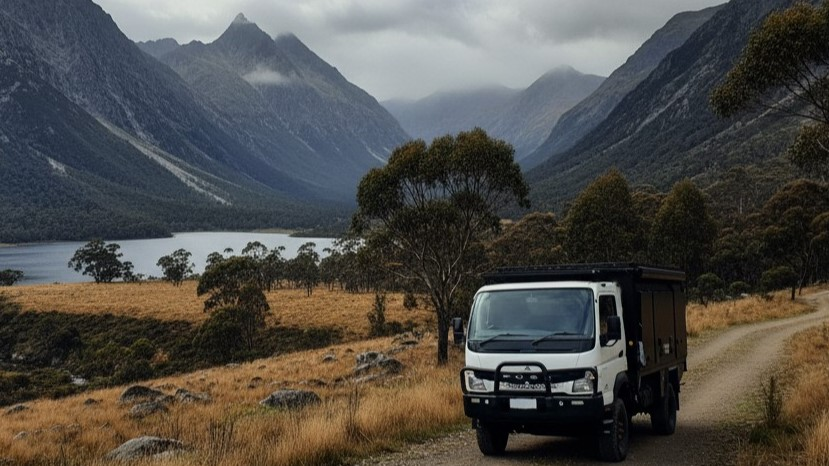
Australia has wide open spaces, long stretches of bush, and remote beaches that draw people who want real freedom. Many travelers want to reach these places without relying on caravan parks or powered sites. A truck camper in Australia offers that level of freedom when it is built for off-grid travel. Some campers claim to be off-grid but fall short once you leave sealed roads or stay away from towns for more than a day.
A camper that stays off-grid must handle heat, dust, and long distances. It also needs a power system that keeps running, enough water for daily use, and strong construction. Slide-on campers solve many problems that caravans and heavy trailers struggle with. They reduce towing weight, move easily on rough tracks, and let you camp in tighter, quieter spots. Modern slide-on designs push these strengths even further by focusing on durability and self-sufficiency.
What Off-Grid Really Means for Australian Travel
Off-grid travel is simple to define but hard to achieve. It depends on seven main areas that support comfort and independence.
- Reliable power to run your fridge, lights, cooktop, and devices
- High-Capacity power storage so you don’t run out
- Power Recharge options including sufficient solar and DC charging
- Enough water storage to last several days or longer
- Self-contained living with a shower, toilet, and kitchen
- Durable construction that stands up to rough roads and trails
- Easy mobility across sand, gravel, and long outback tracks
Each factor matters because Australia demands more from your setup than many places. Heat can drain batteries fast. Dust tests every seal. Corrugations shake weak builds apart. Long distances make water and power hard to replace. A good slide on camper in Australia must solve these problems without weighing down your vehicle or slowing your trip.
How a True Off-Grid Slide-On Camper Meets These Needs
Powerful Electrical System for Real Energy Independence
A strong electrical system is the foundation of off-grid travel. High-capacity lithium batteries, with options up to 1200Ah, give you long, steady power. Large inverters from 3000W to 5000W support induction cooking, water heating, and appliances that draw more power. These systems run much quieter and cleaner than generators.
A DC-DC charger helps replenish the batteries while you drive, which keeps the system steady on long trips. Rooftop solar in the 640W to 1110W range gives strong daytime recharge, even when light conditions shift. With both working together, you can support daily needs like a fridge and freezer, lighting, cooking, device charging, and basic climate control without relying on a powered site.
Travellers with different needs can scale their system. You may choose more battery storage for long desert trips or a mid-range option for shorter stays. This flexibility helps you set up a camper that matches your routine.
Self-Contained Water & Living Amenities for Long Stays
Water storage decides how long you can stay off-grid. Some truck-based models carry up to 250L, which suits remote beaches and inland tracks where water is rare. Strong plumbing and easy access to taps and tanks make daily use simple.
Inside the camper, the ensuite includes a toilet and a shower with both rain and handheld settings. A practical kitchen setup helps you cook real meals without struggling for space. This includes:
- An external pantry or kitchen
- A sink and tap
- An induction cooktop
- A full upright fridge / freezer
Living comfort matters when you spend days on the road. These campers include a lounge or sofa, a dinette, and a queen or king bed. Storage areas sit inside and outside to keep gear sorted and accessible.
Lightweight, Rugged Construction for Harsh Terrain
A key part of off-grid performance is the body design. A magnesium aluminium alloy build gives strength with lower weight. This metal handles vibration and dust far better than common fibreglass. It also reduces the load on your vehicle, which improves safety and fuel use. It is also rust and corrosion resistant making it perfect for off-grid and offroad campers.
The slide-on format fits standard ute and truck trays without rear or side overhang. This balance makes driving easier on narrow tracks and sharp turns. The range supports many vehicle types, from single-cab to dual-cab platforms, and even larger truck models with extended space.
“All-Electric” Convenience for Easy Daily Use
Daily tasks should feel simple, even in remote regions. Electric features make this possible:
- An electric roof lift
- Electric legs for loading and unloading the camper
- An electric awning
- Central locking
- Induction cooking
- Electrical hot water system
Comfort systems such as heating, cooling, venting, and dust-filtered airflow help manage changing weather. These features reduce physical effort and allow you to set up or pack down in minutes.
Why True Off-Grid Slide-On Campers Outperform Basic Models
Some basic slide-on campers only include a bed and a few storage pockets. Others run small batteries or limited solar that work for a short weekend but not for extended travel. Heavy materials often limit where you can drive and may crack under stress.
A proper off-grid build fixes these problems with:
- Bigger energy storage
- Larger solar capacity
- A full ensuite
- A real kitchen
- A stronger, lighter body
- A layout that supports daily comfort
These differences shape your experience more than you might think. On long trips, small limits become big frustrations.
What Owners Experience on the Road
Travellers who use a full off-grid slide-on camper often notice real change in how they explore. You can stay in remote areas for days or weeks without power or water refills. Many enjoy lower fuel costs and easier driving because they are not towing a large caravan.
The private shower, practical kitchen, and climate control add comfort on long trips. Secure storage keeps your gear safe from dust and movement. Better handling helps you reach beaches, forests, and desert roads with confidence.
A Smarter Way to Explore Australia’s Remote Landscapes
A well-built off-grid camper depends on strong power storage, steady solar input, and a water system that keeps up with daily use. It also needs a durable aluminium build that stands up to rough roads, plus a self-contained layout with real living comfort. These elements shape the way a truck camper in Australia performs once you leave towns behind.
For anyone planning remote trips, brands such as OTG Campers offer smart designs that match the needs of real Australian travel.